How to Verify Wholesale Telescopic Folding Stool: China Bulk Supplier, Low MOQ Manufacturer Quality
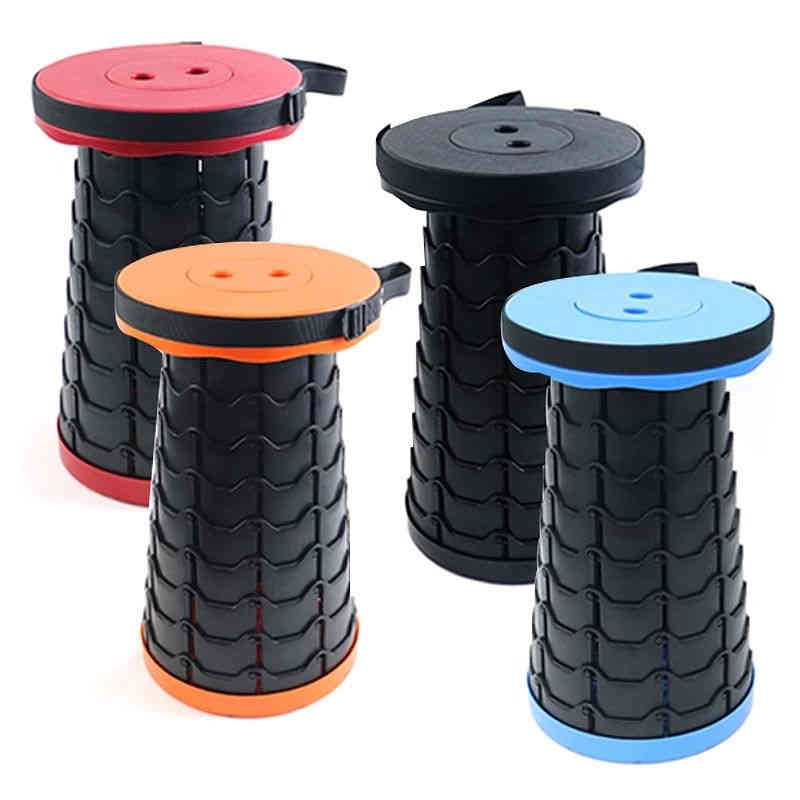
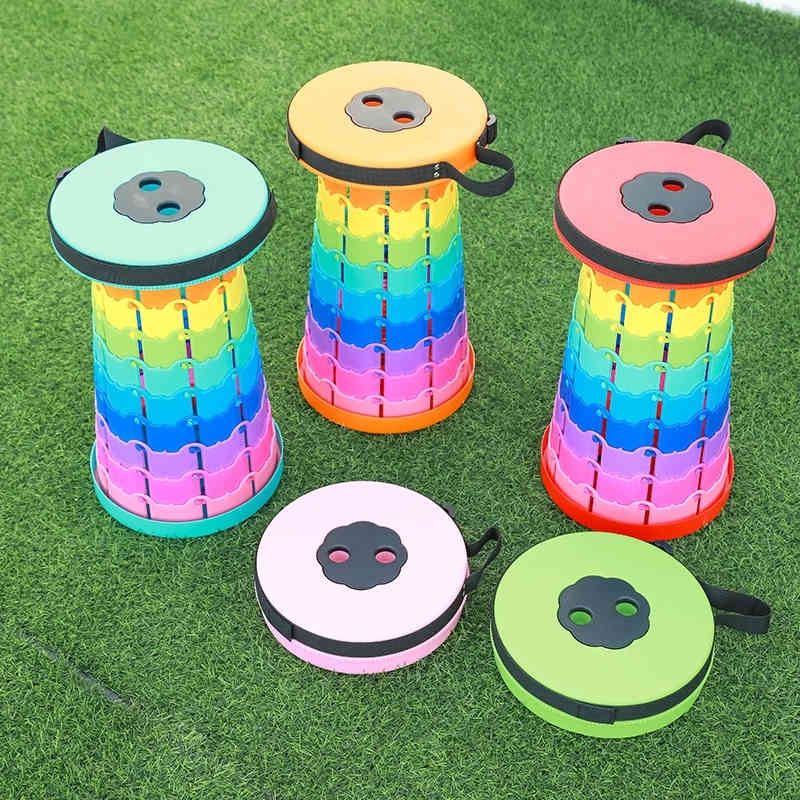
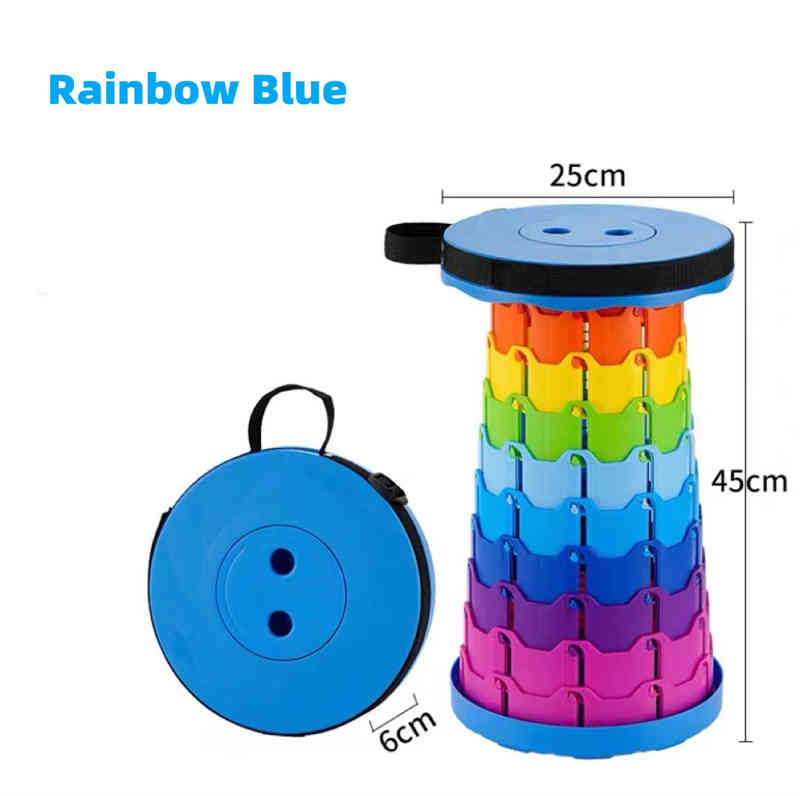
Purchasing wholesale telescopic folding stools from Chinese manufacturers offers significant advantages in pricing and production capacity, but requires careful supplier verification to ensure quality and reliability. This comprehensive guide provides practical steps to evaluate manufacturers, assess product quality, and establish successful sourcing relationships while working with low minimum order quantity suppliers.
Pre-Supplier Assessment: Foundation for Success
Conducting thorough background checks before engaging with potential suppliers is essential for identifying reliable manufacturing partners. Start by verifying business credentials through official Chinese business registration platforms. Look for established companies with at least three years of operational history and sufficient registered capital. Confirm that the supplier's business scope explicitly includes furniture manufacturing or related production capabilities. Research the company's market reputation by checking for customer feedback, industry references, and any history of quality disputes or legal issues.
Factory Audit Essentials
A comprehensive factory audit, whether virtual or in-person, provides critical insights into manufacturing capabilities and quality management systems. During the audit, evaluate production equipment conditions, ensuring machinery shows signs of regular operation rather than staged presentation. Examine raw material storage practices and request documentation verifying material quality and origins. Assess quality control processes by identifying dedicated inspection areas, reviewing quality records, and observing how non-conforming products are handled. Evaluate warehouse organization and inventory management practices to ensure proper storage conditions for finished goods.
Product Quality Verification Through Sampling
Requesting and evaluating product samples is crucial for assessing manufacturing quality and functionality. When examining telescopic folding stool samples, test the telescoping mechanism repeatedly to ensure smooth extension and retraction without sticking or requiring excessive force. Verify the stability of the stool on level ground, checking for any wobbling or instability. Assess the folding mechanism for ease of use and compact storage. Examine material quality by evaluating tube thickness, joint welding quality, surface finishes, and overall structural integrity. For comprehensive quality assurance, consider engaging third-party inspection services to conduct standardized tests including load capacity, durability cycling, and stability assessments.
Understanding Low MOQ Arrangements
Low minimum order quantity offerings provide accessibility for smaller buyers but require careful consideration of terms and conditions. Understand that extremely low MOQs may involve slightly higher per-unit costs or limited customization options initially. Discuss pricing tiers based on order volume and negotiate favorable terms for future larger orders. Clarify payment terms, production timelines, and any additional costs associated with small quantity orders. Be cautious of prices that appear unrealistically low, as they often indicate compromised quality or potential hidden costs.
Documentation and Compliance Verification
Reliable suppliers maintain proper documentation demonstrating compliance with relevant standards and regulations. Request business licenses confirming legal operation status. Ask for product certifications applicable to your target market, such as CE marking for European markets or relevant safety certifications for other regions. Review product test reports from accredited laboratories verifying compliance with furniture safety standards. Obtain material safety documentation ensuring compliance with restrictions on hazardous substances. Proper documentation not only ensures regulatory compliance but also demonstrates supplier professionalism and commitment to quality.
Building Sustainable Supplier Relationships
Developing long-term relationships with reliable manufacturers requires strategic approach and mutual understanding. Begin with trial orders to assess product quality, communication efficiency, and shipping reliability before committing to larger volumes. Establish clear communication channels and response expectations. Develop detailed specifications covering all product aspects including materials, dimensions, finishes, and performance requirements. Implement quality assurance agreements defining inspection protocols, acceptance criteria, and resolution processes for quality issues. Consider visiting key suppliers personally to strengthen relationships and demonstrate commitment to partnership.
Risk Management Strategies
Implementing effective risk management practices protects your business throughout the sourcing process. Use secure payment methods that offer buyer protection, particularly when working with new suppliers. Develop comprehensive contracts covering product specifications, quality standards, delivery schedules, payment terms, and warranty provisions. Maintain diversified supplier relationships to avoid overdependence on single sources. Establish clear intellectual property protection agreements when sharing proprietary designs or specifications.
Verifying Chinese wholesale suppliers for telescopic folding stools requires systematic approach and attention to detail at every stage. By conducting thorough supplier assessments, performing comprehensive factory audits, rigorously testing product samples, and establishing clear quality agreements, buyers can significantly reduce sourcing risks. Understanding the implications of low MOQ arrangements and maintaining proper documentation ensures successful partnerships. Building long-term relationships based on mutual understanding and quality commitment ultimately leads to sustainable sourcing success in the wholesale furniture market.